A crawl space problem usually announces itself indirectly — a musty smell upstairs, a spike in humidity, or a home inspection that turns up standing water no one knew was there.
We inspect the vapor barrier, sump discharge point, and vent placement to find the actual cause, not just remove the water.

Standard-height equipment simply doesn't fit most crawl space conditions, which is why we carry specialized gear.
Encapsulation options are available for Quaker Hill, CT crawl spaces with chronic moisture issues.
Sump discharge and vent diagnostics are part of every Quaker Hill, CT crawl space assessment.
We inspect joists specifically because prolonged crawl space moisture is a leading cause of structural wood decay.
Crawl space water removal follows its own sequence built around confined access and root-cause diagnostics — here's our Quaker Hill, CT approach.

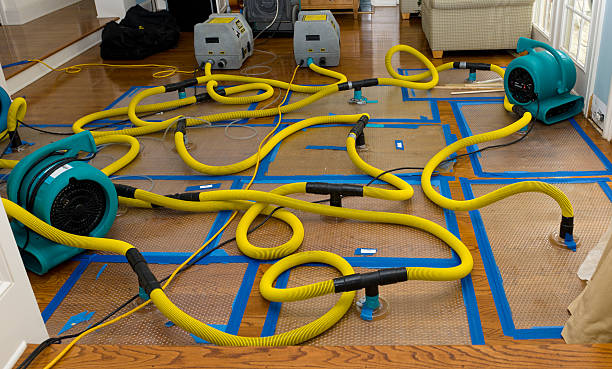
Low-profile pumps and extraction tools remove standing water from tight crawl space clearances.
A damaged or missing vapor barrier is repaired or replaced to control ongoing ground moisture.
A properly functioning sump system prevents the same water problem from recurring.
We correct airflow issues that keep a crawl space damp even after extraction.
Floor joists and structural wood are inspected for early signs of rot caused by prolonged moisture exposure.
We offer encapsulation as a long-term solution beyond a single water removal event.
We ask enough to bring confined-space tools suited to a typical crawl space.
A technician arrives with low-profile extraction equipment built for crawl space access.
You'll see the scope and cost once the root cause is confirmed.
Final sign-off includes a joist and structural wood recheck.

"We had a musty smell upstairs for months and it turned out to be a failed vapor barrier in the crawl space nobody had checked." — Patricia G.
"They found our sump line wasn't discharging far enough from the foundation, which explained why the water kept coming back." — Omar E.
"Glad they checked the joists too — caught some early rot before it became a much bigger structural problem." — Lindsey B.
A musty smell upstairs, higher indoor humidity, or visible moisture during a home inspection are common signs.
A failed vapor barrier, poor sump discharge, or vent placement issues are the most common causes we find.
We diagnose and can repair the vapor barrier, sump system, or vent placement causing the issue.
We can assess whether your specific situation would benefit from encapsulation.
Structural wood inspection is included since prolonged moisture is a common cause of joist rot.
If your property is in or near Quaker Hill, a crew can typically respond the same day.

Speak directly with our crawl space response team.
Call +1-844-833-1325